Mie Angel Medan: A Culinary Journey Through Indonesia’s Delicacies
Origin and Tradition of Mie Angel
Mie Angel, a beloved dish originating from Medan, Indonesia, showcases the rich culinary heritage of the region. Medan, situated in North Sumatra, is a melting pot of cultures, blending Malay, Chinese, and Batak influences. Mie Angel reflects this diversity, combining local ingredients and traditional cooking methods. It’s often enjoyed during significant celebrations, family gatherings, and local festivals, symbolizing unity and joy.
Ingredients that Make Mie Angel Unique
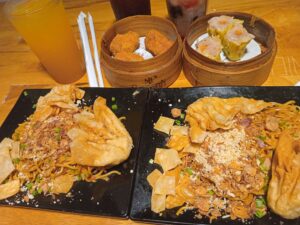
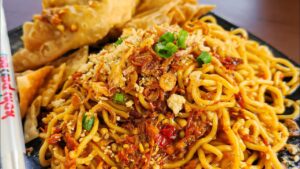
The hallmark of Mie Angel lies in its unique ingredients. The base consists of yellow noodles, known for their chewy texture. These noodles are often tossed with a blend of sweet soy sauce, garlic, and other seasonings. The dish typically includes marinated chicken, prawns, or beef, enhancing its flavor profile. Fresh vegetables, such as bok choy and bean sprouts, add crunch and nutritional value. The final touch is a sprinkle of fried shallots and fresh herbs, creating a visually appealing and aromatic dish.
Cooking Techniques in Mie Angel Preparation
The preparation of Mie Angel is a testament to Indonesian culinary techniques. First, the noodles are boiled to perfection before being stir-fried in a hot wok, ensuring they absorb all the flavors from the seasonings. Marinated proteins are cooked separately to retain their juiciness, and vegetables are added just before serving to maintain their vibrant colors. This method not only preserves the freshness of the ingredients but also enhances the overall taste.
Accompaniments and Variations
Mie Angel is often served with a side of sambal, a spicy chili paste that adds a kick to the dish. Variations of Mie Angel exist across Indonesia, where local chefs put their spin on the recipe. Some versions may incorporate seafood, such as squid or fish, while others might cater to vegetarian preferences by substituting meat with tofu. Each variation delivers its own unique taste, inviting diners to experience the diverse flavors of Indonesian cuisine.
Cultural Significance of Mie Angel
In Medan, Mie Angel is more than just a dish; it is a cultural symbol. It often brings families together, promoting social interaction and bonding. The communal aspect of enjoying Mie Angel marks important occasions in Indonesian culture, emphasizing the value of togetherness. Street vendors frequently serve Mie Angel, turning local markets into lively social hubs, where people come together to enjoy good food and company.
The Best Places to Experience Mie Angel in Medan
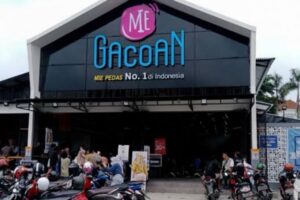
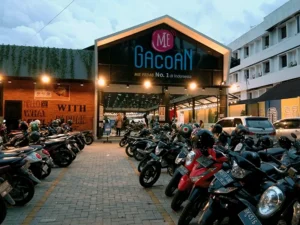
Travelers to Medan will find numerous eateries specializing in Mie Angel. One of the most renowned spots is Mie Angel Titi Bobrok, famous for its authentic flavors and traditional cooking methods. Another popular destination is Mie Angel Bika Ambon, where visitors can savor a fusion of flavors. Each location offers its version of the dish, making it an exciting culinary adventure.
Mie Angel in Global Cuisine
As Indonesian cuisine gains recognition worldwide, Mie Angel is finding its place on international menus. Chefs are experimenting with incorporating Mie Angel’s flavors into fusion dishes, bridging the gap between cultures. Cooking classes and food festivals focusing on Indonesian cuisine are also rising in popularity, allowing enthusiasts to learn about Mie Angel’s preparation. This global interest helps preserve the dish’s heritage while introducing it to broader audiences.
Conclusion: A Culinary Must-Try
Mie Angel Medan stands out as a culinary gem within Indonesia’s diverse food scene. With its delicious flavors, rich history, and cultural significance, it’s a must-try for anyone visiting Medan. The dish’s versatility, along with its potential for global adaptation, secures its place not just as a local favorite, but also as an ambassador for Indonesian cuisine. Whether enjoyed in its traditional form or as a fusion creation, Mie Angel promises a delightful culinary experience that celebrates the best of Indonesian flavors.